Carbon fiber parts are game-changers in many industries, offering unmatched strength at a fraction of the weight. But even the strongest materials have their weak spots.
Here’s a quick rundown of the most common carbon fiber defects that can show up in carbon fiber parts, explained clearly but with a bit of punch:
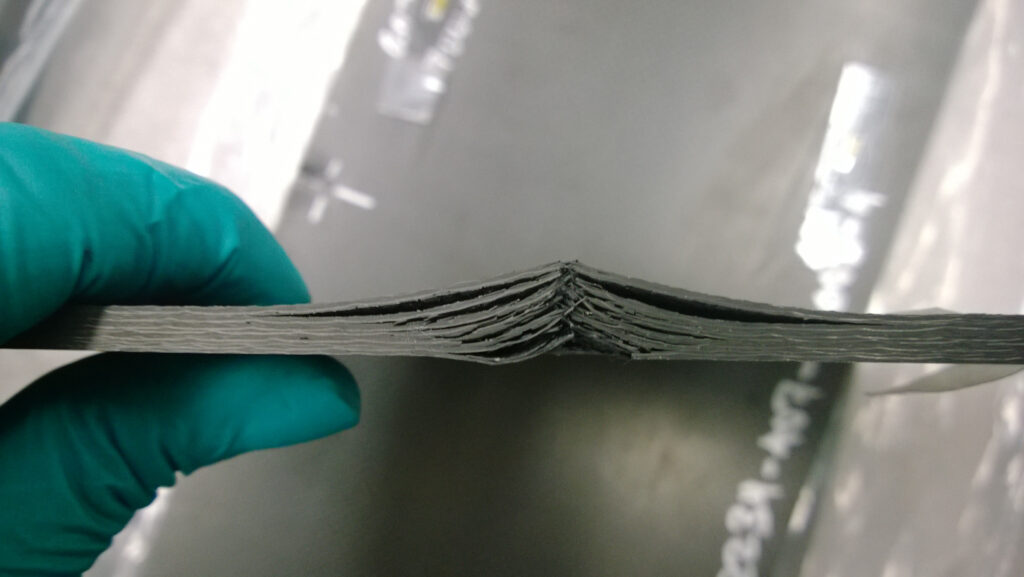
⚠️ 1. Delamination
One of the most critical structural failures, delamination occurs when layers of carbon fiber separate under stress or during machining.
Causes: Poor adhesion between plies, trapped air during layup, or aggressive post-processing.
⚠️ 2. Voids and Air Bubbles
Voids are small, trapped air pockets within the laminate, reducing mechanical performance.
Causes: Inadequate vacuum during curing, poor resin flow, or insufficient degassing.
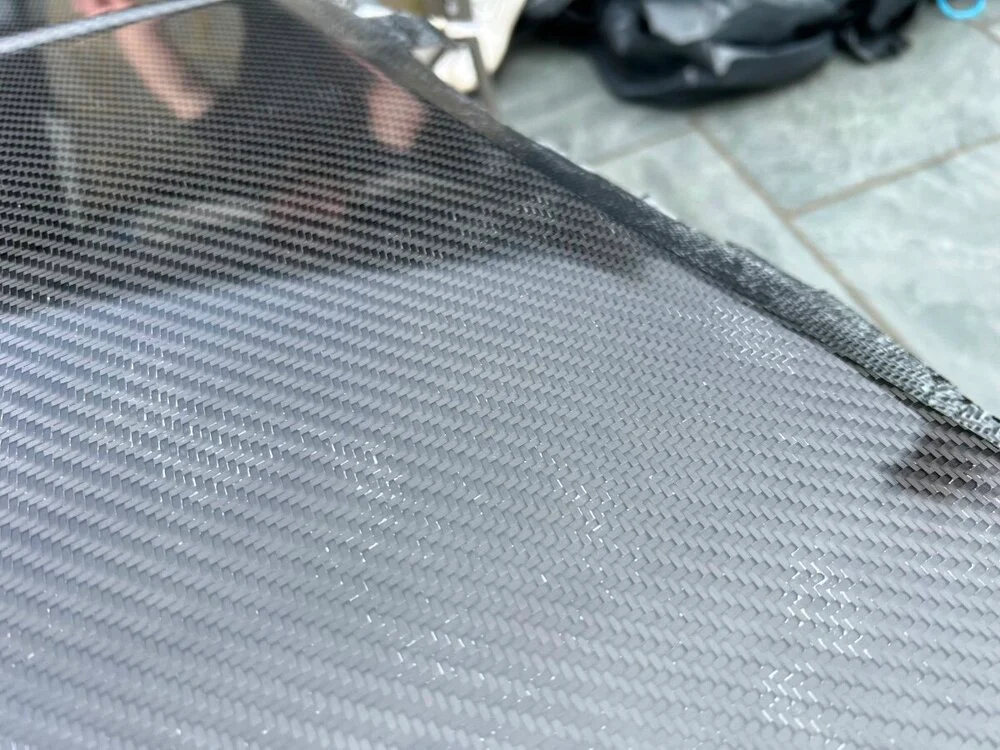
⚠️ 3. Resin-Starved or Resin-Rich Areas
Achieving the right resin-to-fiber ratio is critical. Too little resin causes dry spots and weak bonding; too much adds weight and brittleness.
Causes: Uneven pressure distribution or incorrect layup techniques.
⚠️ 4. Print-Through and Surface Imperfections
Visible fiber weave or rough textures may not affect performance but can be unacceptable in aesthetic or aerodynamic applications.
Causes: Resin shrinkage during curing or inadequate surface prep.
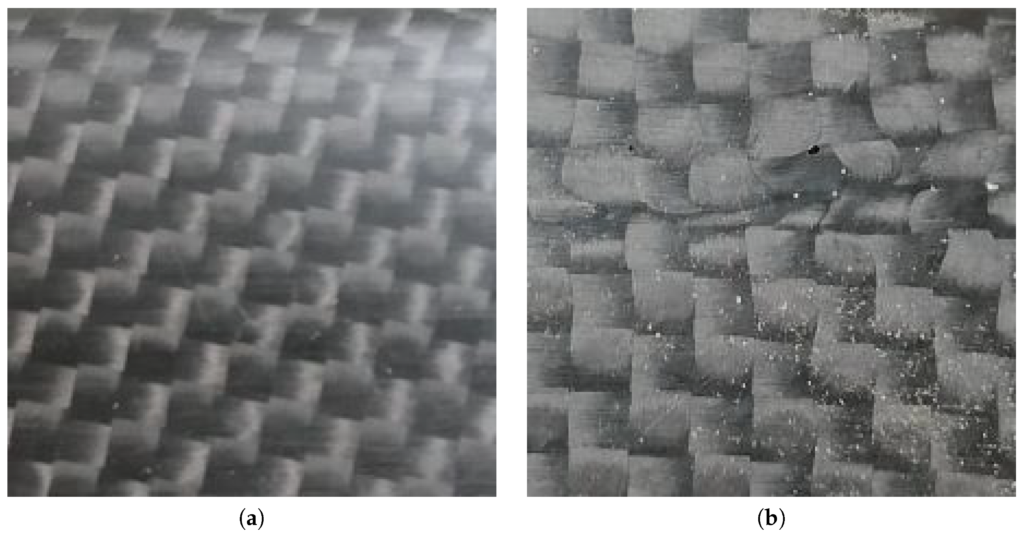
⚠️ 5. Fiber Misalignment and Wrinkles
Fiber orientation determines mechanical behavior. Any deviation can significantly reduce performance.
Causes: Manual layup errors, sharp mold corners, or movement during vacuuming.
⚠️ 6. Cracks from Machining
Carbon fiber is abrasive and prone to splintering or cracking if machined improperly.
Causes: Dull tools, high feed rates, or lack of support.

⚠️ 7. Warping and Distortion
Some parts deform after demolding or curing, leading to dimensional issues.
Causes: Asymmetric layup, thermal imbalance, or mold stress.

🚀 Why It Matters
Knowing these common carbon fiber defects helps engineers, manufacturers, and buyers understand what to look for and why quality control in carbon fiber production is crucial. The best parts don’t just look good — they perform flawlessly.
🔗Feel free to reach out if you’re working with carbon fiber and want to dive deeper or share your experiences!