
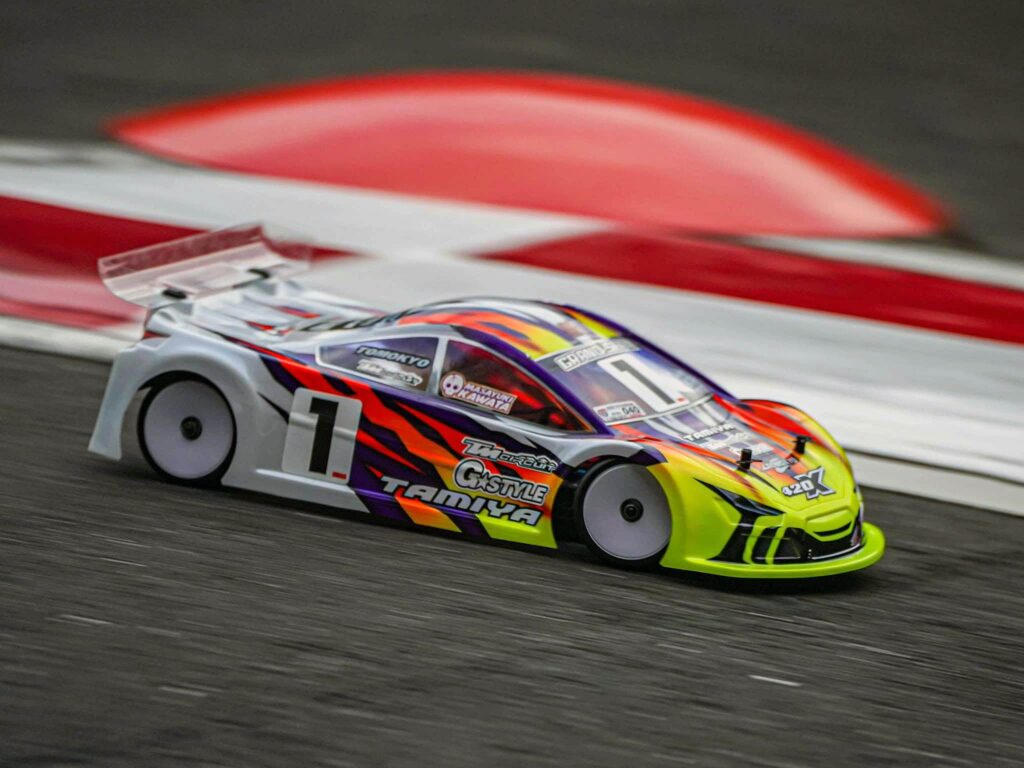
Working with RC companies has given us a close view of how the industry is evolving. Through daily communication with product developers, engineers, and brand owners, we have observed changes in product design, materials, and manufacturing strategies.
Based on these real-world discussions and project experiences, we summarized several RC product development trends. Here are five key observations that we believe will influence RC product development in 2026 and beyond.
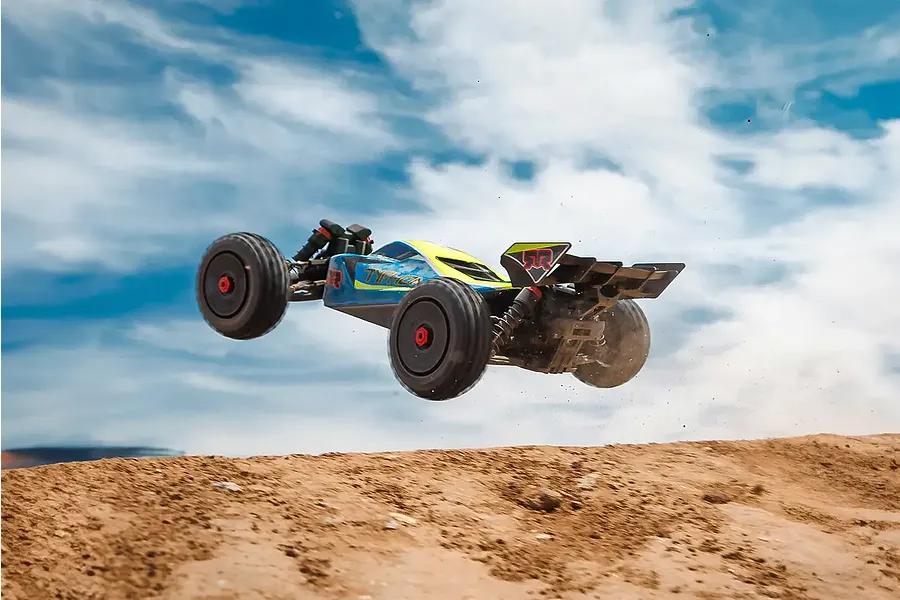
1. The RC upgrade market is becoming a “second product cycle”
In the past, the business cycle was: New model → Sales → Next model
Now many brands are creating a second cycle: New model → Upgrade ecosystem → Repeat purchases
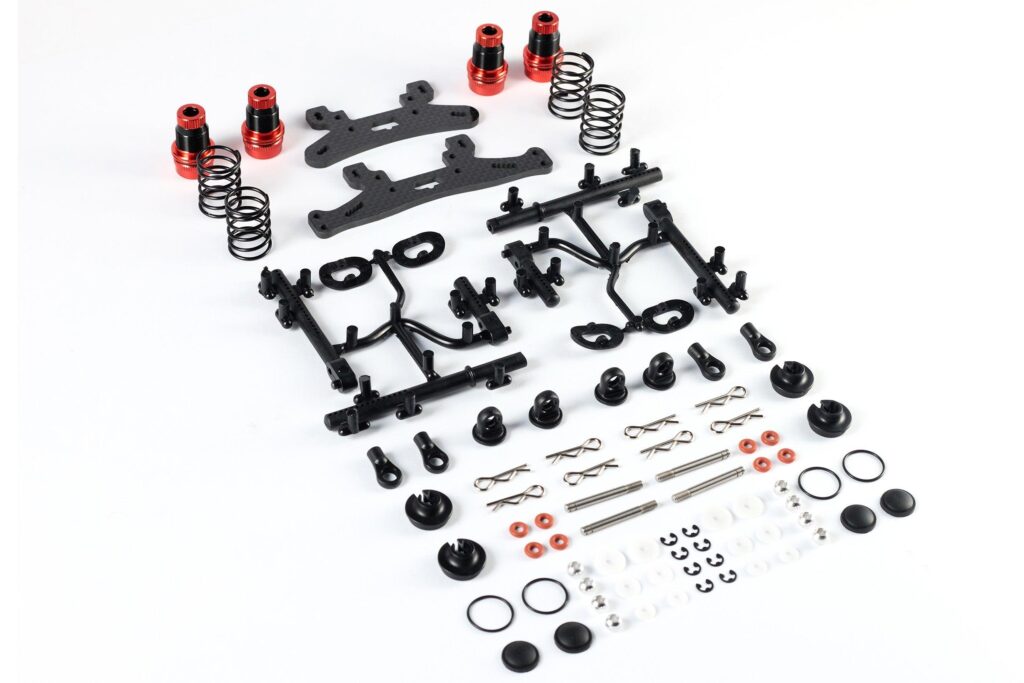
A strong RC platform can create a longer product lifecycle through:
- performance upgrades
- appearance customization
- optional components
- replacement parts
Insight:
The opportunity is shifting from selling one product to building a complete ecosystem around a product. For manufacturers, this means product design needs to consider future expansion possibilities from the beginning.
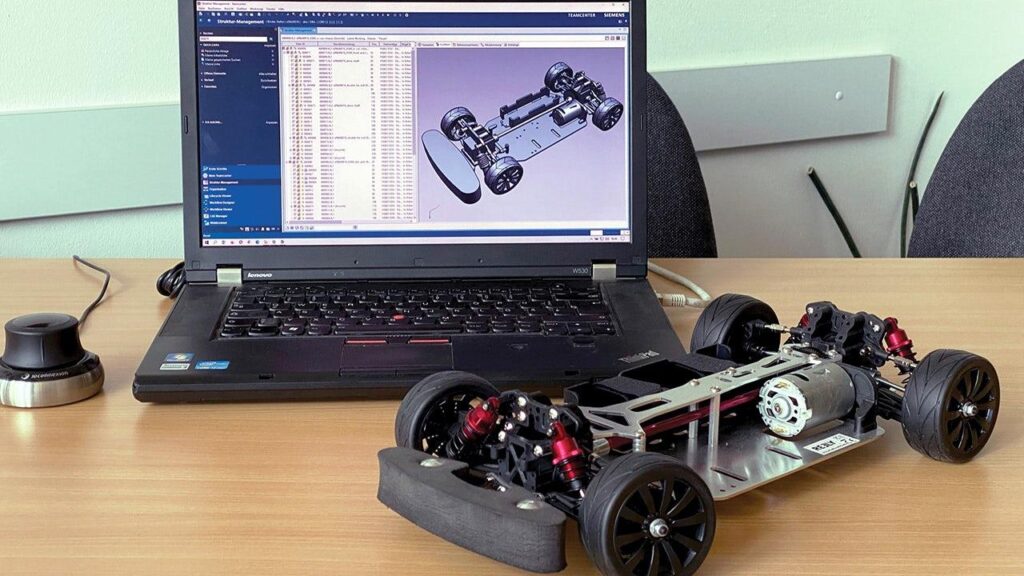
2. Small-Batch Testing Is Becoming More Common Before Mass Production
RC enthusiasts are highly engaged users. They provide immediate feedback about product performance, design, and improvements.
Because of this, some companies are adopting a more flexible development approach:
Prototype → Small batch → Market feedback → Improvement → Larger production
Compared with traditional large-volume production, this approach reduces development risks and allows companies to respond faster.
Insight:
Manufacturing flexibility is becoming a competitive advantage. Suppliers that can support prototypes, small quantities, and design adjustments can help brands move faster.
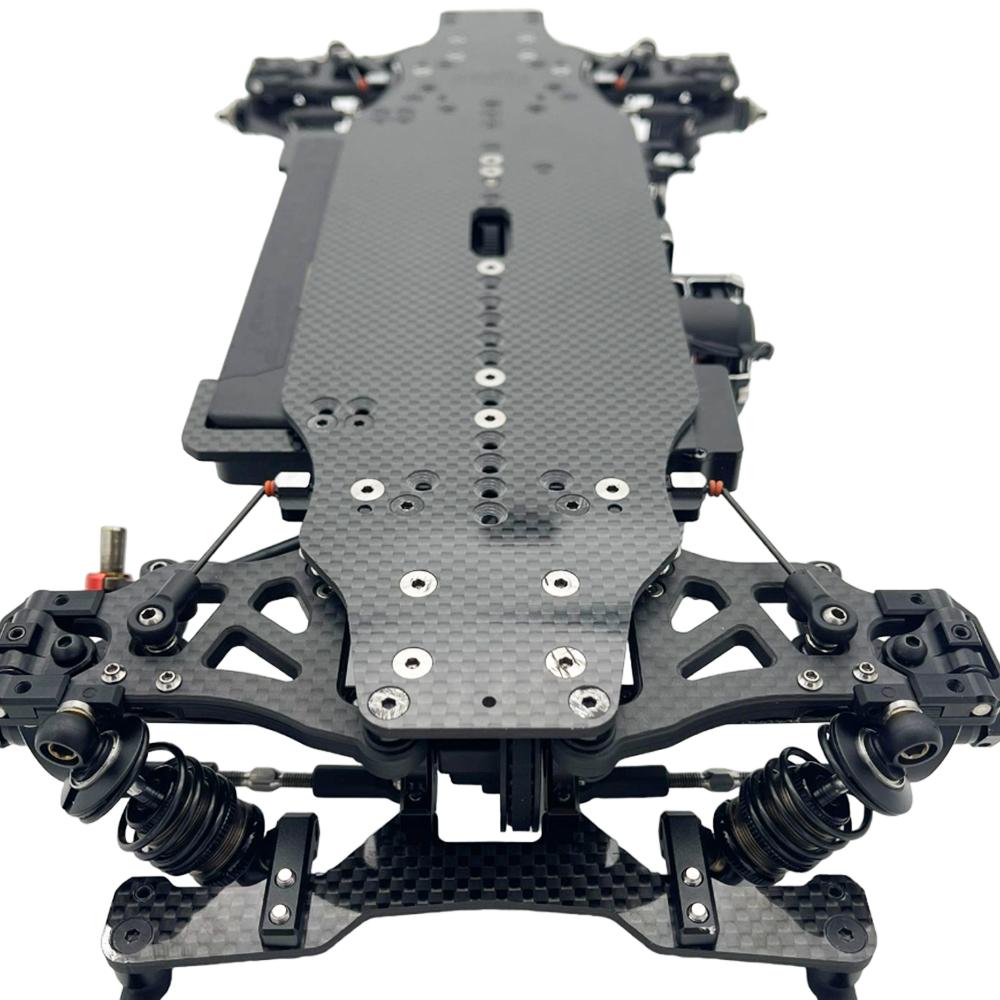
3. Weight reduction is moving from “racing only” to mainstream upgrades
Previously, lightweight materials were mainly for competition models.
Now weight optimization is appearing in: hobby-grade upgrades, premium accessories, limited editions
The goal is not only faster performance, but:
- better response
- premium positioning
- product differentiation
Insight:
For premium RC brands, engineering performance and product presentation are becoming increasingly connected.
4. Faster Product Development Is Becoming a Hidden Advantage
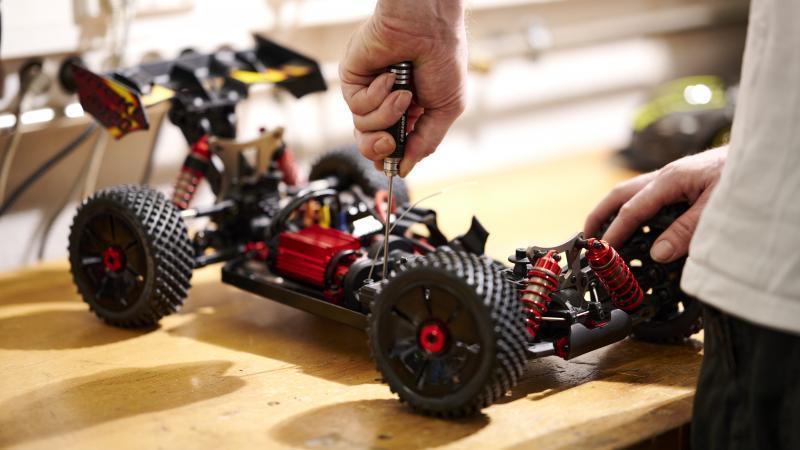
Many RC companies do not lose because their idea is bad. They have strong ideas. The challenge is bringing those ideas to market quickly.
They lose because:
- prototypes take too long
- modifications are slow
- suppliers are not flexible enough
A supplier that only focuses on final production may not provide enough support during early stages.
Insight:
The ability to move from idea to tested product quickly may become a bigger advantage than having the lowest manufacturing cost.
5. Supplier Relationships Are Moving Toward Product Development Support
Many established RC brands already have reliable suppliers. The question is no longer simply: “Who can manufacture this part?”
Increasingly, companies need partners who can also support:
- understand designs quickly
- suggest improvements
- support small trials
- scale when products succeed
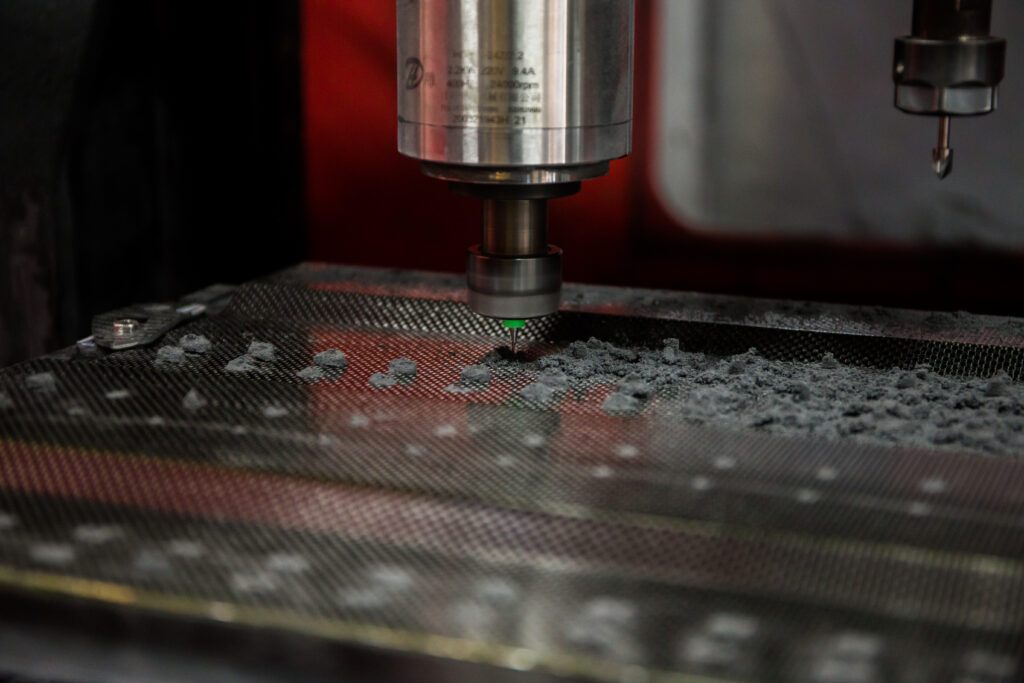
A flexible supplier does not only provide components. They help companies reduce development challenges and respond to new opportunities.
Insight:
Future supplier relationships may become more collaborative, with manufacturers and suppliers working together earlier in the product development process. The supplier relationship is moving from “manufacturing” toward “product development support.”
Conclusion
The future of RC product development will likely be shaped by three key factors:
Performance. Customization. Speed.
Brands that can create better products, respond faster to market changes, and build strong manufacturing partnerships will be better positioned for future growth.
A question we are curious about:
Are you seeing the same changes in your market, especially with more frequent product updates and demand for customized upgrades?